Differentiated pressure protocols on Qube 384 let you run up to 12 unique protocols within a single experiment, accelerating assay optimization and reducing variability.
Researchers working with primary cells, fragile membranes, organelles, or novel cellular models often spend significant time optimizing pressure settings to achieve stable recordings and robust whole-cell configurations. With differentiated pressure protocols on Qube 384 Mk III, researchers can test up to 12 unique protocols, both pressure, voltage, and current clamp, across different columns of the same QChip simultaneously. The result is faster optimization, improved consistency, and more efficient use of biological resources.
Assay development should not require multiple optimization runs
Traditionally, comparing multiple pressure conditions requires multiple experiments. When working with delicate cell types or limited biological material, repeating experiments can consume valuable cells, reagents, and time while introducing variability. Differentiated pressure protocols address this challenge by enabling side-by-side comparison of multiple pressure conditions within a single experiment, ensuring all conditions share the same cells, reagents, timing, and environmental conditions.
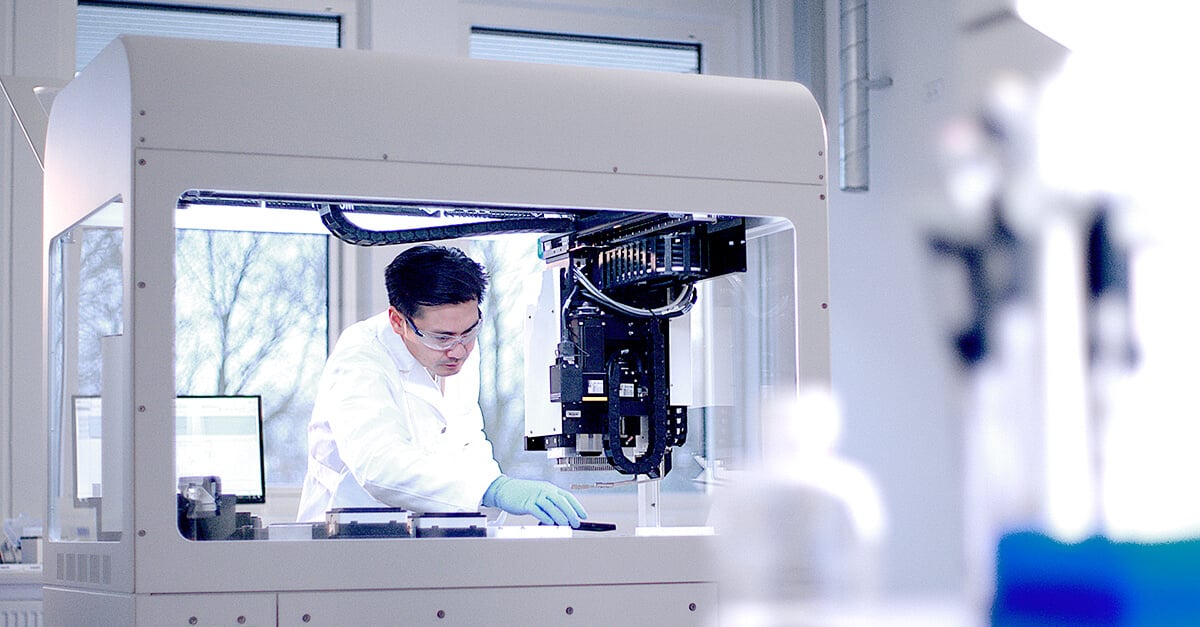
Scientists want to optimize assays faster and minimize use of valuable cells, reagents, and resources.
Differentiated pressure protocols bring multiple experiments into one run
With Qube 384, researchers can design and execute up to 12 unique protocols, both pressure, voltage, and current clamp simultaneously on the same QChip. Pressure protocols can be assigned freely across QChip columns, enabling side-by-side comparison of different pressure conditions under identical experimental circumstances. This allows researchers to rapidly determine which settings deliver the best seal success, access resistance, and recording stability.
Combined with the new ViewPoint interface, protocol design becomes both visual and intuitive. Researchers can create, organize, and assign pressure groups using graphical workflows while maintaining a clear overview of the entire experiment. Sophion Analyzer automatically keeps track of the different pressure groups, making it easy to compare results and identify optimal settings for future experiments.
Whether optimizing assays or running experiments that require different pressure handling strategies simultaneously, researchers can now operate within a single workflow designed for flexibility and efficiency.
Why differentiated pressure protocols are valuable for scientists
"Differentiated pressure protocols help researchers optimize assays faster by comparing multiple unique pressure, voltage, and current-clamp protocols side by side in a single experiment."
By simplifying experiment preparation, ViewPoint reduces the risk of configuration errors and, in many cases, prevents them entirely, helping improve consistency and reproducibility across experiments.
Researchers benefit from:
- Identify optimal experiment settings faster
- Reduce plate-to-plate variability
- Improve reproducibility and consistency
- Accelerate assay development timelines
- Generate more data from every experiment
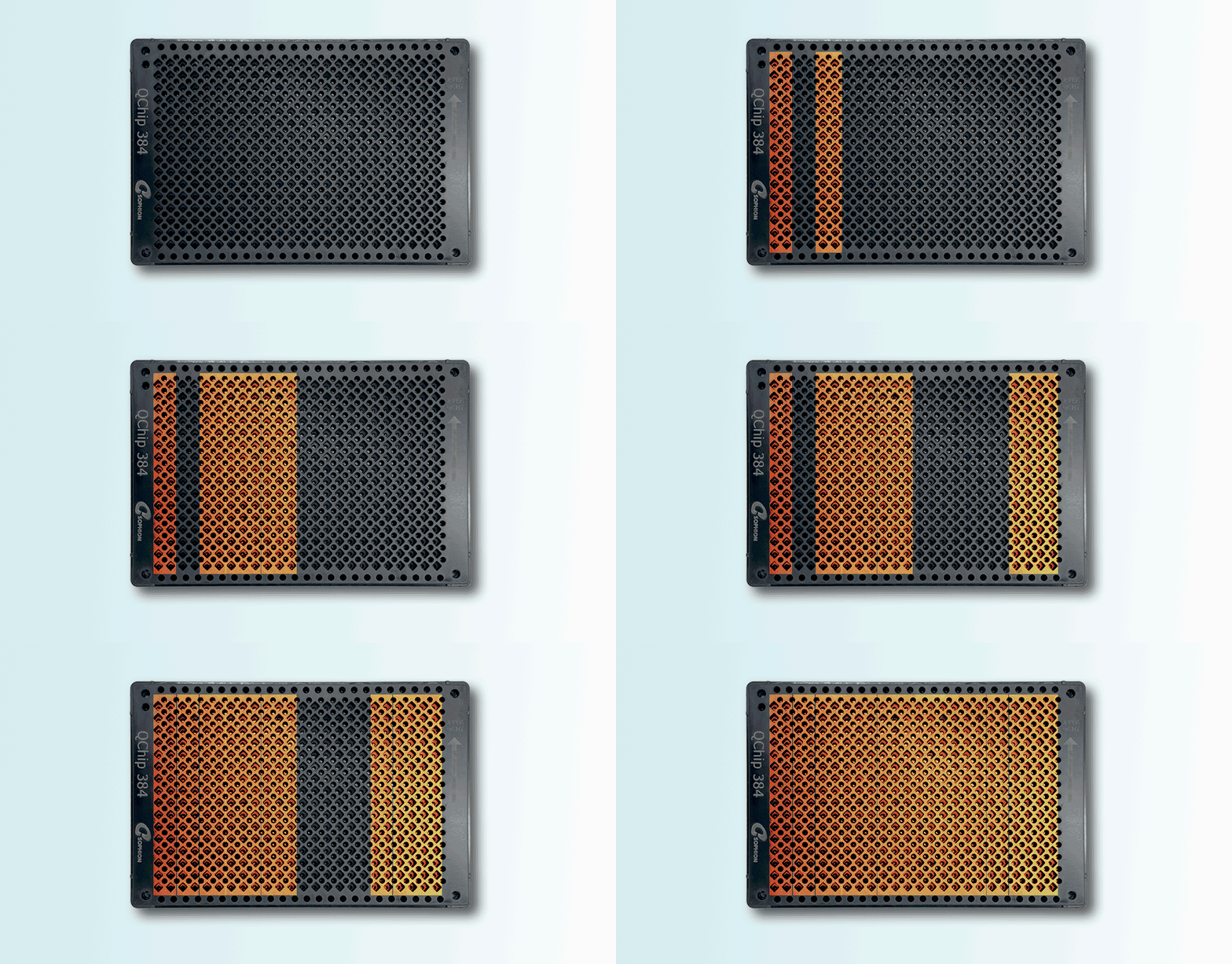
Differentiated pressure protocols help researchers accelerate assay optimization and generate more data from their experiments.
Faster assay optimization with fewer resources
Differentiated pressure protocols strengthen the flexibility of Qube 384 Mk III platform by allowing researchers to explore multiple experimental approaches within a single run. Whether you are working with primary cells, organelle vesicles, fragile membranes, or entirely new assay concepts, differentiated pressure protocols help reduce optimization cycles, improve reproducibility, and minimize resource consumption. The result is a smarter and more efficient approach to assay development that delivers faster answers while making better use of valuable biological material.